
Buying a Home With Acreage in Northern California: What to Check Before You Buy
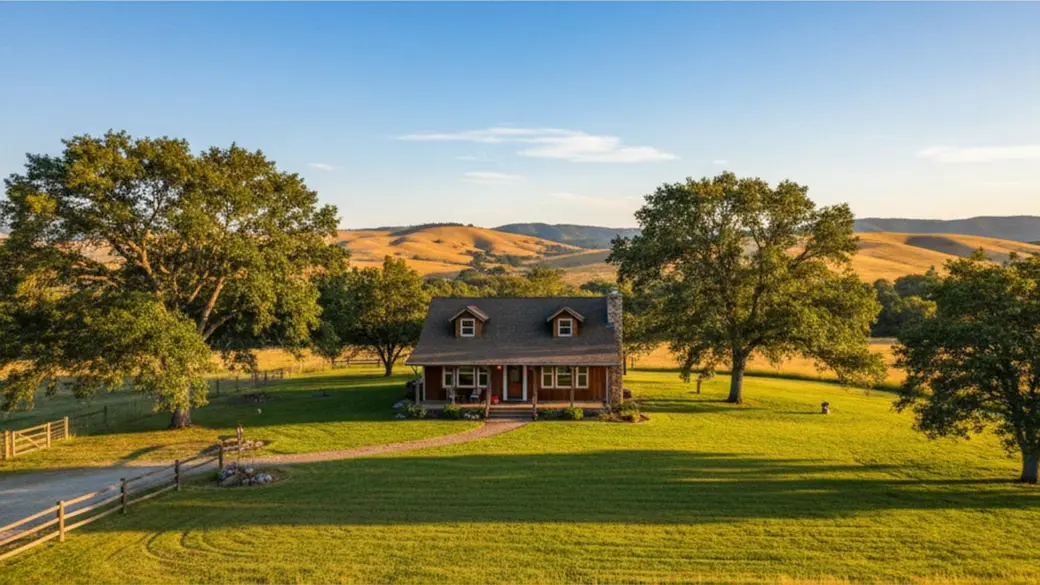
Buying a home with acreage in Northern California can mean more privacy, room for animals, space for a shop, fewer nearby neighbors, or simply the opportunity to live a quieter country lifestyle.
But buying rural property is different from buying a home in a traditional neighborhood.
The house is only one part of the purchase. Water, septic, access, zoning, insurance, easements, fencing, outbuildings, and the actual usability of the land can all affect whether a property is really the right fit.
If you are considering a home with acreage, here are some of the things I believe are worth looking at before you buy.
Start With the Water
Many country properties rely on a private well instead of public water, which makes the water system an important part of the property's due diligence.
Ask what is known about the well, including its age, depth, production, equipment, storage tanks, water quality, and maintenance history.
California's Department of Water Resources maintains Well Completion Reports and provides an online map that can be searched by location. These records can sometimes provide useful background information about a property's well, although the availability of records varies.
Depending on the property, buyers may want to investigate:
- well production or flow
- well depth
- water quality
- pump and pressure equipment
- storage tanks
- whether the well is private or shared
- available well records
- whether the water supply is sufficient for the buyer's intended use
A beautiful property can become far less appealing if the water system does not support the way you plan to live there.
Understand the Septic System
If the property is not connected to a public sewer, it may have an onsite wastewater treatment system, commonly called a septic system.
California regulates these systems through statewide standards, while local agencies—often county environmental health departments—generally handle permitting and local requirements.
Before buying, understand what type of system serves the property and, when possible, find out:
- where the septic tank is located
- where the leach field is located
- the size and capacity of the system
- whether permits or records are available
- when it was last serviced
- whether an inspection is recommended
- whether future additions could affect the system
This can become particularly important if you eventually want to add bedrooms, build an ADU, expand the house, or make other improvements.
Acreage on Paper Is Not the Same as Usable Acreage
This is one of the biggest things I want buyers to understand.
A five-acre property does not necessarily give you five acres that can be used however you want.
Some of the land may be steep, heavily wooded, rocky, crossed by drainage areas, difficult to access, or affected by easements or other limitations.
So the question is not simply:
How many acres does it have?
The better question is:
How much of the acreage will actually work for the way I plan to use it?
If you want horses, livestock, gardens, a large shop, RV parking, equipment storage, or simply usable open space, walk the property with those goals in mind.
Verify Zoning Before You Make Plans
One of the attractions of country property is having more freedom and space—but rural does not mean there are no rules.
Zoning and other land-use requirements can affect what you may be able to do with a property, including additional dwellings, livestock, barns, shops, home businesses, parcel splits, and other improvements.
If a particular use is important to you, don't rely solely on how the property is currently being used or what someone tells you verbally.
Verify the information with the appropriate county or city department.
Your future plans may be just as important as what is already on the property.
Pay Attention to Access and Easements
Country properties can have access arrangements that you don't typically see in a subdivision.
You may encounter:
- private roads
- shared driveways
- recorded easements
- rights-of-way
- road-maintenance agreements
- access across neighboring property
The California Department of Real Estate notes that a preliminary title report identifies liens and encumbrances affecting the property. Buyers should review these documents carefully rather than assuming access and property rights are exactly as they appear while walking the land.
If access or an easement is unclear, that is something to investigate before closing.
Start Checking Insurance Early
I would not wait until the last part of escrow to find out what it will cost to insure a rural property.
Insurance availability and premiums can vary significantly from one property to another.
That can be especially important in parts of Northern California where wildfire exposure may affect insurance options.
The California Department of Insurance recommends shopping the traditional insurance market first. If coverage is difficult to obtain, the California FAIR Plan exists as an insurer of last resort. However, FAIR Plan coverage is more limited than a traditional homeowners policy, and additional coverage may be necessary.
That is why I believe buyers should investigate insurance before becoming deeply committed to a property.
The purchase price may fit your budget while the total cost of owning the property—including insurance—does not.
Look Beyond the House When You Inspect
A normal home inspection is important, but acreage properties often have much more to evaluate.
The California Department of Real Estate advises buyers to use qualified professionals to inspect important systems such as electrical, plumbing, HVAC, roof, foundation, septic, solar, and structural components when applicable.
On a country property, you may also want to look closely at:
- barns
- shops
- detached garages
- fencing
- gates
- retaining walls
- irrigation systems
- pumps
- storage tanks
- sheds and other outbuildings
A shop or barn can add tremendous value to a property—but only if its condition and usefulness match what you need.
If You Want Horses or Livestock, Look at the Property Differently
Seeing fencing in listing photos does not automatically mean a property is ready for animals.
Consider whether the existing setup works for the animals you intend to have.
Look at:
- type and condition of fencing
- cross-fencing
- pasture
- gates
- trailer access
- shelter and shade
- water availability
- feed or equipment storage
- terrain
- space for manure management
- proximity to neighboring properties
A property can be marketed as a horse property and still require substantial work before it functions the way you need it to.
Think About Wildfire Exposure and Property Maintenance
Country living often comes with more land to maintain.
Depending on the property, that can mean vegetation management, tree work, maintaining access roads, clearing around structures, repairing fencing, servicing water systems, and taking care of acreage that would not exist with a small residential lot.
This is not necessarily a negative.
For many buyers, the space and lifestyle are exactly why they want the property.
But it is better to understand the work and expense before buying rather than being surprised afterward.
Don't Forget the Roads
A gorgeous country property can feel very different after you have driven the road every day for six months.
Pay attention to:
- paved versus unpaved roads
- private versus county-maintained roads
- drainage
- steep grades
- road condition
- maintenance responsibility
- emergency vehicle access
- distance to work, schools, shopping, and medical services
Think beyond the showing.
Imagine making that drive in winter, after heavy rain, at night, or while pulling a trailer.
Look at the Property With Your Future Plans in Mind
One of the first questions I think acreage buyers should answer is:
What do I actually want the land for?
Maybe it's:
- privacy
- horses
- livestock
- gardening
- a shop
- RV or trailer parking
- room for equipment
- multigenerational living
- a future ADU
- working from home
- simply having space between you and your neighbors
There is no single "perfect" acreage property.
The right property is the one whose land, improvements, location, restrictions, and ongoing responsibilities fit your particular goals.
Rural Properties Require a Different Kind of Due Diligence
A country home can be an incredible purchase, but acreage adds another layer to the transaction.
You are not simply buying bedrooms, bathrooms, and square footage.
You are buying the land, water source, wastewater system, access, improvements, infrastructure, and responsibilities that come with it.
That is why I believe a good acreage purchase starts with asking more questions—not fewer.
The goal isn't to find a property with no issues. Every property has its own considerations.
The goal is to understand what you are buying before you own it.
Looking for a Home With Acreage in Northern California?
If you're searching for a country home, horse property, ranch, farm, or home with acreage in Northern California, I can help you look beyond the listing photos and think through the questions that matter.
When specialized information is needed, that also means working with the appropriate inspectors, lenders, insurance professionals, title professionals, county departments, and other qualified experts.
Finding the right acreage property isn't simply about getting more land.
It's about finding land that works for the life you want to live.
Jackie Joubert
LPT Realty
CA DRE #01986694
Recent Posts


Clear guidance, strong representation, and a calm, strategic approach from the first conversation through closing.
GET MORE INFORMATION