
Selling a Home With Acreage in Tehama County: What to Know Before You List

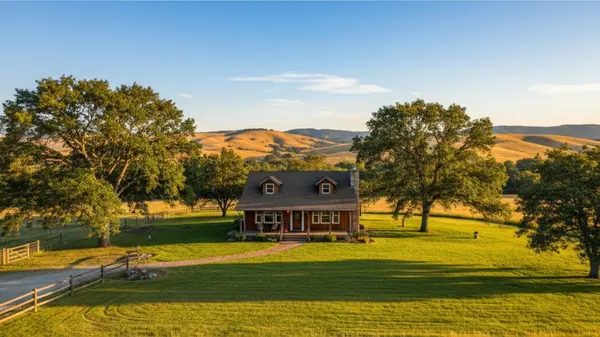
Selling a home with acreage requires more preparation than selling a typical residential property. Buyers will evaluate not only the home, but also the land, water source, septic system, access, boundaries, outbuildings, insurance considerations, and potential uses of the property.
Preparing these details before listing can help reduce uncertainty, prevent avoidable delays, and make the property more attractive to serious buyers.
Start With the Property Details
Before the property goes on the market, gather the documents and information that help buyers understand exactly what is being offered. This may include parcel size, zoning, easements, water-source information, septic records, permits, utility details, outbuilding information, and records of recent improvements.
Having accurate information available early can make the transaction smoother and reduce unanswered questions later.
Prepare the Land and Exterior
Acreage buyers pay close attention to the condition and usability of the land. Mow or clear overgrown areas, define driveways and access points, repair visible fencing when practical, remove debris, and make sure barns, shops, and other structures are accessible.
The goal is not to make the property perfect. It is to help buyers clearly see the land, understand how it functions, and imagine how they could use it.
Gather Water, Septic, and Utility Information
The home is only one part of an acreage property. Buyers will also want to understand how the property receives water, how wastewater is handled, and which utilities and services are available.
Gather any available well reports, water-quality tests, septic records, utility bills, propane information, solar agreements, and maintenance records.
You do not need to promise that every system is perfect. Providing accurate information allows buyers to evaluate the property with greater confidence and can reduce surprises during inspections.
Review Access, Boundaries, and Easements
Clearly defined access and property boundaries are especially important when selling acreage. Buyers may ask whether the road is public or private, who maintains it, whether neighboring properties have access rights, and where the parcel lines are located.
Review your title information, surveys, easements, road-maintenance agreements, and any other documents related to access.
Avoid guessing about exact boundary locations. When additional confirmation is needed, a qualified surveyor or title professional can provide more reliable information.
Evaluate Fencing and Outbuildings
Barns, shops, garages, sheds, animal enclosures, and fencing can add meaningful value, but buyers will also consider their condition and permitted use.
Clean outbuildings, remove unnecessary clutter, and make entrances easy to access. Gather permits, construction records, dimensions, electrical information, and water-service details when available.
Be clear about which structures are included in the sale and whether any equipment or personal property will remain.
Price the Entire Property
Pricing a home with acreage requires more than comparing the house to nearby residential sales. The land, location, water source, usable acreage, access, improvements, outbuildings, views, zoning, and overall condition can all affect value.
A property with five usable acres may appeal differently from another property with the same acreage but steep terrain, limited access, or fewer improvements.
A strong pricing strategy considers both the residence and the characteristics that make the land useful and appealing to the likely buyer.
Market More Than the House
Effective marketing should show how the entire property lives and functions. Along with professional photographs of the home, buyers should be able to see the land, driveway, views, fencing, outbuildings, pastures, garden areas, and surrounding setting.
Aerial photography can help buyers understand the general layout, but it should not be presented as a substitute for a survey or verified boundary information.
Property descriptions should be specific, accurate, and focused on the features buyers can actually use and enjoy.
Prepare for Additional Buyer Questions
Acreage buyers often ask more detailed questions than buyers of a traditional neighborhood home. They may want information about insurance, fire protection, road conditions, internet service, agricultural uses, livestock, zoning, financing, and ongoing maintenance.
Preparing answers and documentation before listing helps buyers make informed decisions and keeps the transaction moving.
When a question requires professional verification, it is better to direct the buyer to the appropriate inspector, lender, insurer, title professional, surveyor, county department, or other qualified expert than to make an assumption.
Choose the Right Selling Strategy
Every acreage property is different. A successful sale requires a plan that reflects the home, the land, the likely buyer, and current market conditions.
Before listing, I help sellers identify which details should be documented, how the property should be presented, and which features deserve the greatest emphasis.
My goal is to position the property accurately, market it professionally, and guide the transaction with clear communication from preparation through closing.
Thinking About Selling a Home With Acreage?
Selling a country property can feel overwhelming, but you do not have to sort through every detail alone.
Contact Jackie Joubert with Joubert Real Estate Group at LPT Realty for a confidential conversation about your property and the steps that can help prepare it for the market.
Recent Posts





Clear guidance, strong representation, and a calm, strategic approach from the first conversation through closing.
GET MORE INFORMATION