
Should You Sell Your Northern California Home This Fall or Wait Until Spring?

There is a reason spring gets so much attention in real estate. More buyers typically enter the market, homes tend to show well, and families often begin planning moves before summer.
But does that mean you should automatically wait until spring to sell your Northern California home?
Not necessarily.
The best time to sell is not determined by the calendar alone. Your local market, the competition, your property's condition, your financial goals, and what you plan to do after the sale can matter much more than whether you list in October or April.
If you are debating whether to sell this fall or wait for spring, here are the factors I would consider before making that decision.
Why Spring Gets So Much Attention
Historically, spring and early summer are the busiest periods for residential real estate nationally.
The National Association of REALTORS® reports that housing activity generally increases during spring and reaches its peak around June. Homes also tend to sell more quickly during the peak season than during the winter months.
But there is an important detail for Northern California homeowners: NAR's analysis found that the Western United States is the region least affected by housing seasonality.
That means the difference between selling in spring and selling in another season may not be as dramatic here as homeowners sometimes assume.
There Can Be Advantages to Selling in the Fall
Fall usually brings fewer buyers than peak spring and summer.
At first, that may sound like a disadvantage.
But there is another side to it: there may also be fewer competing homes for sale.
If ten similar homes are available when you list in spring but only four are competing with you in the fall, your property may have an easier time standing out.
And while there may be fewer fall buyers, those who are actively shopping often have a specific reason for moving.
They may be relocating for work, downsizing, experiencing a change in family needs, purchasing before the holidays, or simply waiting for the right property to become available.
NAR's seasonal analysis similarly notes that although buyer activity generally slows during October and November, buyers who remain in the market tend to be serious and prepared to purchase when they find the right home.
Fewer Buyers Does Not Automatically Mean a Bad Market
One of the biggest mistakes sellers can make is judging the market only by the number of buyers.
What really matters is the relationship between buyers and available homes.
For example:
If buyer demand drops 15%, but the number of competing homes drops 30%, a properly positioned seller could still have a favorable situation.
That is why I prefer looking at your actual competition rather than making a recommendation based on the season alone.
Before deciding whether to wait, I would want to know:
- How many similar homes are currently for sale?
- How long have they been on the market?
- Are sellers reducing their prices?
- Which homes are actually going pending?
- How does your home compare in condition and price?
- Are buyers actively purchasing properties like yours?
Those answers tell us much more than simply saying, “Spring is the best time to sell.”
Mortgage Rates Matter Too
Buyer purchasing power can also influence the number of buyers who are able or willing to make a move.
As of August 27, 2026, Freddie Mac reported the average 30-year fixed mortgage rate at 6.66%. Freddie Mac also noted that increased housing inventory and slower price growth in many markets were giving buyers additional options.
Mortgage rates can change quickly, so I would never recommend trying to perfectly predict where rates will be six months from now.
If you delay selling because you expect substantially better rates in the spring, they may improve—but they could also remain similar or move higher.
There is no guaranteed advantage to waiting based on a forecast.
Calculate What Waiting Actually Costs You
This is one of the most overlooked parts of the decision.
Waiting six months is not free.
Depending on your situation, another six months of ownership may mean six more months of:
- mortgage payments
- property taxes
- homeowners insurance
- utilities
- landscaping
- repairs and maintenance
- HOA dues, if applicable
- interest expense
- upkeep on acreage or outbuildings
If waiting until spring costs you thousands of dollars, the question becomes whether the potential benefit of waiting is likely to outweigh those carrying costs.
For some homeowners, it absolutely might.
For others, waiting simply delays a move they already know they want to make.
When Waiting Until Spring May Make Sense
There are situations where I would seriously consider waiting.
For example, spring may make more sense if your property needs several months of preparation.
Maybe you need time to:
- complete repairs
- replace flooring or paint
- finish deferred maintenance
- improve landscaping
- clean up acreage
- repair fencing
- prepare a barn or shop
- organize and declutter
- resolve title or ownership issues
If several months will materially improve how your property presents or remove an issue that could hurt the sale, waiting can be strategic.
There is a big difference between waiting because there is a plan and simply waiting because someone once told you spring is always better.
When Selling This Fall May Make More Sense
Selling this fall may deserve serious consideration if:
- you are already planning to move
- your home is ready for the market
- there is limited competition in your price range
- buyers are actively purchasing similar homes
- you want to reduce ongoing carrying costs
- you are relocating
- you need proceeds from the sale for your next purchase
- maintaining the property has become burdensome
- your timeline matters more than trying to perfectly time the market
If those factors are present, postponing a sale solely because spring sounds better may not actually improve your position.
Rural and Acreage Properties Can Be Different
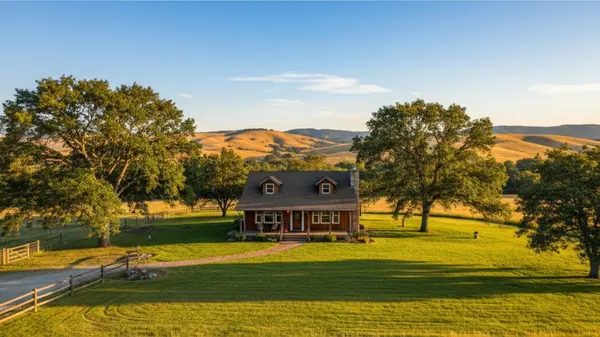
Seasonality can also look different with acreage, ranch, farm, and country properties.
A rural buyer may be searching for something very specific—a shop, horse setup, usable acreage, fencing, privacy, additional structures, or enough room for equipment.
Those buyers may not stop searching simply because summer is over.
There can also be advantages to seeing a rural property outside the driest part of the year. Buyers can sometimes better understand drainage, road conditions, vegetation, tree coverage, and how the property functions during another season.
The bigger issue is whether your property matches what the active buyer pool is looking for.
Your Next Purchase Matters Too
There is another side of the equation that sellers sometimes forget.
Where are you going after you sell?
If you will also be purchasing another home, waiting for the theoretical “best seller's market” could mean entering a more competitive market as a buyer.
For example, selling during a period with slightly less buyer competition may also allow you to purchase your next property when you face slightly less competition yourself.
Your sale should not be evaluated in isolation.
The best strategy considers both sides of your move.
Do Not Try to Time the Market Perfectly
Even professional economists cannot consistently predict exactly what mortgage rates, inventory, prices, and buyer demand will look like six months from now.
NAR reported earlier in 2026 that historical data pointed to a particularly favorable spring listing window, but those national patterns are averages—not guarantees for an individual property or Northern California community.
You do not need to identify the single perfect day of the year to sell your house.
You need a good strategy for your property, your market, and your circumstances.
The Better Question to Ask
Instead of asking:
“Is fall or spring the better time to sell?”
I would ask:
“What would I gain by waiting, and what would waiting cost me?”
Then look at the numbers.
If your home could realistically benefit from additional preparation, waiting may make sense.
If your property is ready, competition is favorable, buyers are active, and selling now fits your goals, fall can be an entirely reasonable time to move forward.
There is no universal answer.
And that is exactly why I would not make this decision based on a seasonal rule of thumb.
Thinking About Selling Your Northern California Home?
If you are considering selling but are unsure whether to list this fall or wait until spring, we can look at the decision before you commit to anything.
I can help you review recent sales, current competition, pricing, days on market, and the features that could affect how your particular property would compete.
From there, we can determine whether selling now makes sense—or whether there is a legitimate advantage to waiting.
The goal is not simply to get your home on the market.
It is to choose the timing and strategy that make the most sense for your next move.
Jackie Joubert
LPT Realty
CA DRE #01986694
Recent Posts








Clear guidance, strong representation, and a calm, strategic approach from the first conversation through closing.
GET MORE INFORMATION