
What Buyers Should Know Before Purchasing Country Property
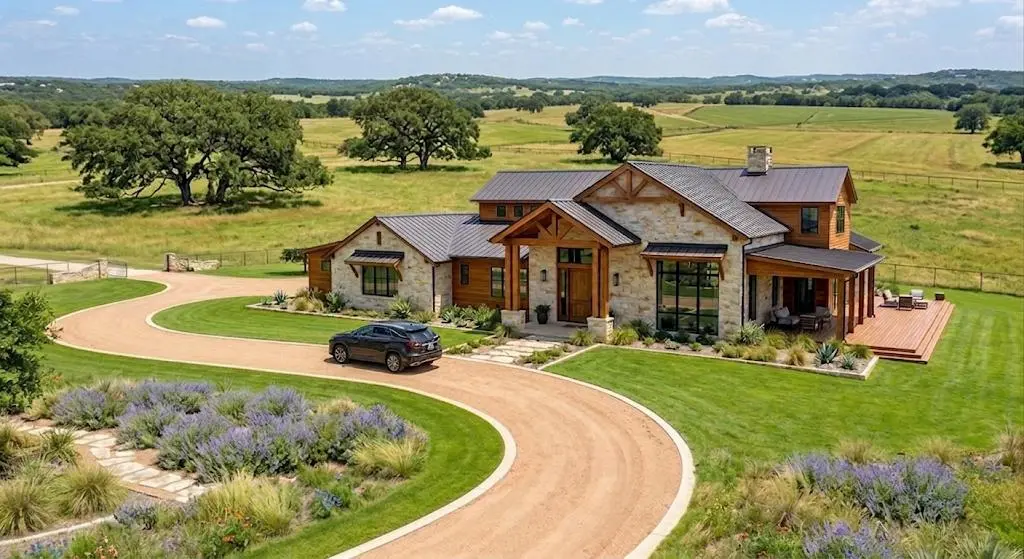
Buying a country property can offer more space, privacy, and a different pace of life—but it also comes with details that are not always part of a typical residential purchase. Taking the time to understand those details before making an offer can help you move forward with greater confidence.
Start With the Water Source
Many country properties rely on a private well rather than a public water system. Buyers should understand the well’s location, production, condition, and available records. A well inspection and water-quality test can provide useful information about the system and help identify questions that may need further review.
Understand the Septic System
A septic system is another common feature of country property. Its age, location, size, maintenance history, and condition can all matter. A septic inspection may help determine whether the system is functioning properly and whether it appears appropriate for the property’s current use.
Confirm Access and Property Boundaries
Country properties may be reached by private roads, shared driveways, easements, or unpaved access. It is important to understand who maintains the road, whether access rights are recorded, and how the property is reached throughout the year.
Property boundaries should also be reviewed carefully. Fences, gates, driveways, and outbuildings do not always match the legal boundary lines. Depending on the property, a survey or additional title review may be appropriate.
Review Land Use and Zoning
Before purchasing acreage, consider how you plan to use the property. Animals, additional structures, farming, business activity, recreational vehicles, short-term rentals, and future development may be subject to zoning rules, permits, setbacks, or other restrictions.
A property may look ideal for your plans, but it is important to confirm that those plans are permitted.
Look Closely at Insurance
Insurance for country homes can differ from insurance for homes in more developed areas. The property’s location, wildfire exposure, road access, distance from fire services, roof condition, outbuildings, and land use may affect availability and cost.
Buyers should begin discussing insurance early in the process rather than waiting until the final days before closing.
Consider Financing Early
Not every lender evaluates country property in the same way. Acreage, manufactured homes, multiple residences, agricultural use, private roads, wells, septic systems, and large outbuildings may affect financing.
Working with a lender who understands the property type can help prevent delays and clarify what documentation may be needed.
Inspect More Than the House
A standard home inspection is important, but country properties may require additional inspections or evaluations. Depending on the property, these may include:
- Well and water quality
- Septic system
- Roof and foundation
- Pest inspection
- Drainage and grading
- Outbuildings
- Fencing and gates
- Road access
- Electrical or utility systems
The goal is not to make the process feel overwhelming. It is to understand what you are purchasing and make informed decisions.
Think Beyond the Purchase Price
Country living may involve expenses that are different from those associated with a neighborhood home. Buyers may need to plan for well maintenance, septic service, road upkeep, fencing, vegetation management, propane, generators, equipment, or other property-specific needs.
Understanding those costs before closing can help you create a more realistic long-term budget.
The Right Guidance Matters
Country property can be incredibly rewarding when the details are handled carefully. My role is to help you ask the right questions, coordinate the appropriate inspections, review the information available, and move through the process with clear guidance.
If you are considering a country home, ranch, farm, or acreage property, reach out and let’s talk about what you are looking for and what should be reviewed before you move forward.
Recent Posts




Clear guidance, strong representation, and a calm, strategic approach from the first conversation through closing.
GET MORE INFORMATION